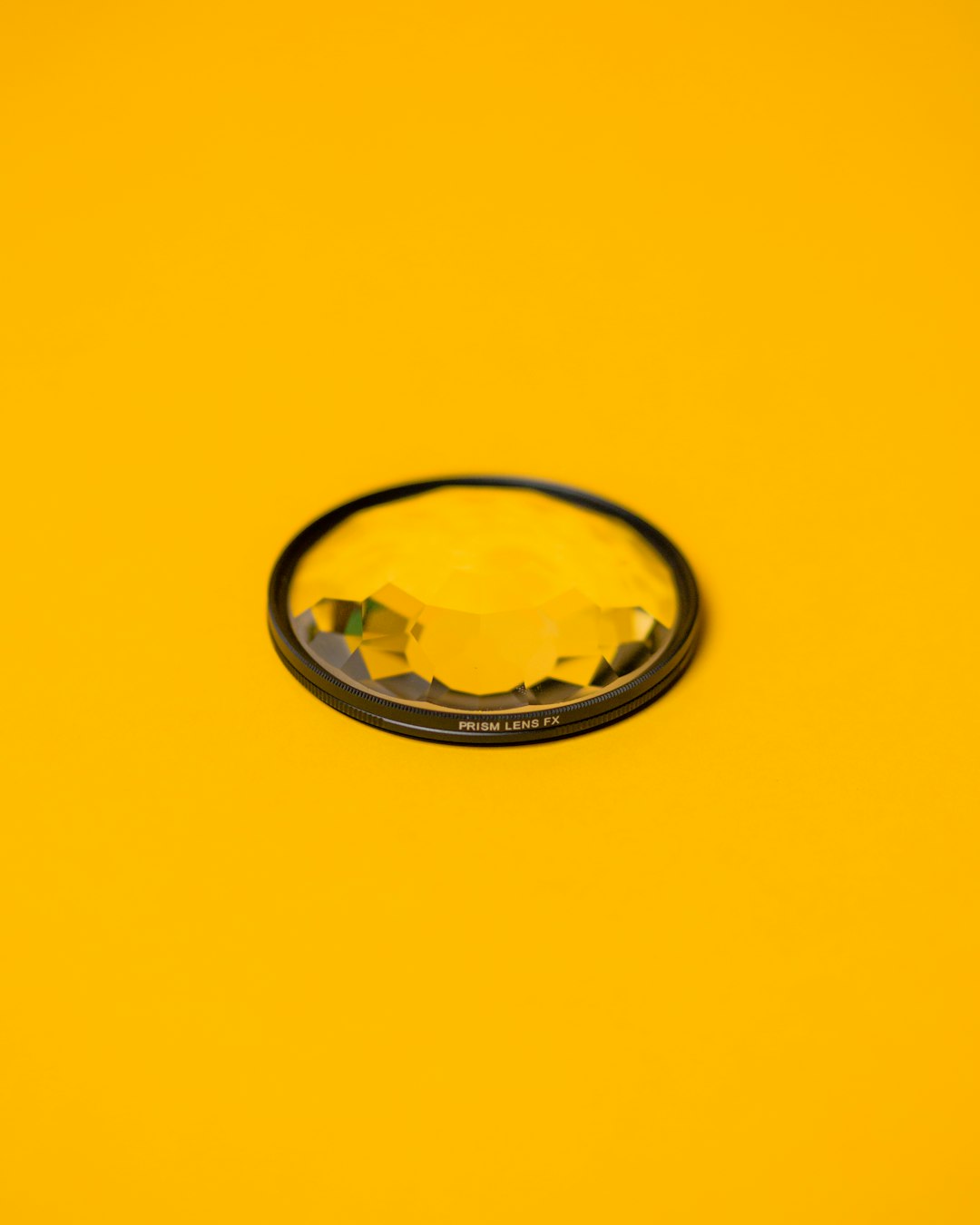
Mounting diffusion tuned for midnight neon expecting it to behave under open daylight ruins an afternoon walk. Two hours in, contrast collapses, backlit edges vanish into haze, and deep shadows turn to milk.
If you want a black mist filter you can thread on in the morning and leave on through changing light until sundown, buy a 1/4.
Skip 1/8—it barely registers on bright streets. Skip heavier grades—they destroy blacks. A 1/4 sits right on the working line, softening clinical sensor bite while keeping everyday contrast grounded.
The debate around a black mist 1/4 vs stronger filter usually stems from treating diffusion as universal glass. People watch clips of streetlamps blooming into massive halos, buy the heaviest density, and wonder why daytime frames wash out. At XT Filters, we divide diffusion into three lanes: daily carry, portrait softness, and night scenes. Pick by scene, not by hanging the heaviest ring first.
The all-day leave-on lane: 1/4 density
Under overcast or midday sun, 1/8 is so polite it practically disappears. A 1/2 grade swings to the opposite ditch: point it near the sun, and stray light scatters across the frame, washing shadows into gray.
A 1/4 density finds the balance. Specular hot spots—chrome bumpers, bare bulbs, forehead shines—bloom just enough to roll gently into midtones. Dark jackets and shaded alleys stay anchored in solid black. You get organic roll-off without sacrificing your contrast floor.
That balance is why our XT888 Bottom 1/4 ($49.99–$119.99) is tuned for standard and wider glass under 135mm. Spanning 39mm to 105mm, it covers 39mm Leica M primes, vintage glass, and 49mm threads on the Leica Q3 43 and adapted Fujifilm X100 bodies.
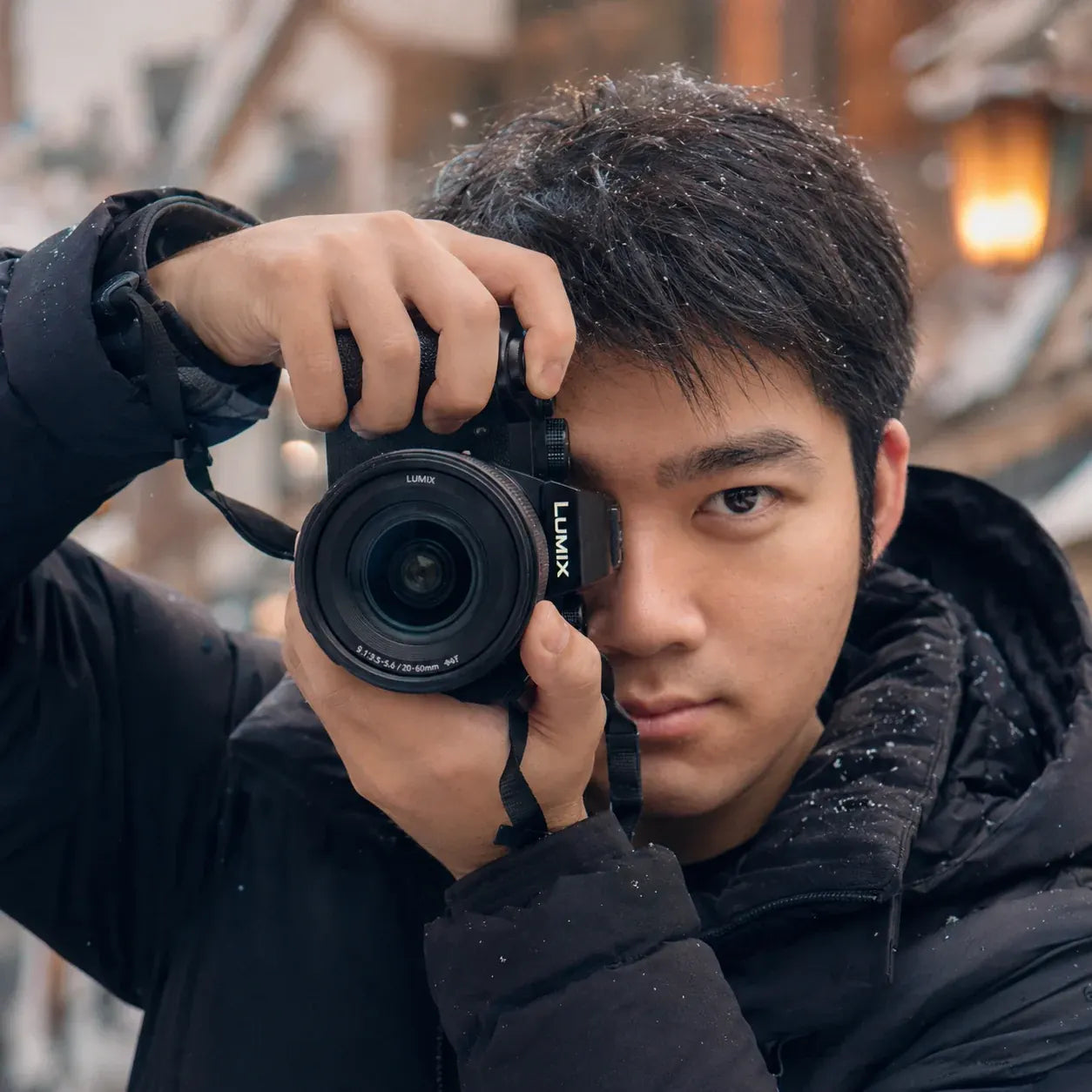
On Hong Kong street walks, my bag holds a Lumix GH7 with an OM SYSTEM 12–40mm f/2.8 PRO II—about 1.2kg handheld. For seaside evenings needing front protection from spray, I run our XT996S UV. When the question is all-day diffusion that softens specular edges without hazing the scene, the leave-on answer stays 1/4—not a heavier night grade.
Where portrait softness splits off
Faces require a different optical priority. In a portrait, you are not chasing explosive halos around streetlamps. You want gentle transition across skin.
Modern portrait primes resolve every pore with clinical sharpness. Forehead shine and cheekbones clip aggressively on digital sensors. Throwing an aggressive night filter at a face creates a hazy veil that smears eyelashes, dulls catchlights, and bleaches dark hair.
Our XT888 Top ($59.99–$94.99) is tuned for portrait softness. It eases specular hot spots on skin into a continuous gradient while keeping facial structure and catchlights crisp.
The boundary with Top is sizing: it ships strictly in 49mm through 82mm, in black finish. We do not make Top in 39mm. If you shoot 39mm Leica rangefinder glass or compact primes, Top is unavailable. For Leica Q3 and Fujifilm X100 portrait shooters, our recommendation remains the Bottom 1/4. Wider focal lengths magnify diffusion differently, and stacking step rings on compact bodies ruins handling.
Top belongs on dedicated portrait glass—50mm, 85mm, or 105mm primes. It is an intentional portrait tool, not an all-day filter.
Night streetlights and heavy atmospheric flare
When the sun drops and streetlights switch on, subtle daytime diffusion can feel understated. Sodium vapor lamps, neon signs, and wet asphalt call for deliberate theatrical blooming.
That is the lane for our hero SKU, the XT925 Black Mist ($79.99–$359.99). Spanning 39mm to 112mm—including dedicated sizes for Fuji and Leica systems—the XT925 delivers stronger cinematic highlight roll-off and atmospheric halation around specular lights. It wraps streetlamps and signage in rich, glowing envelopes.
The red line: do not leave XT925 on as an all-day filter. Direct daylight scatters aggressively across its heavier formula, destroying contrast and turning backlit architecture into pale fog. XT925 stays in your pouch until twilight, night cityscapes, or stylized lit sets.
Reading the edges: highlights, shadows, and catchlights
Evaluating diffusion requires looking at optical behavior in real light. Our team is currently preparing real-light comparison proof sets—side-by-side three-column portrait series and night streetlight sets under actual street and window light, with zero synthetic AI mockups.
When comparing grades, watch two zones:
First, inspect the highlight boundary. On a face, forehead shine should taper smoothly into skin tones rather than clipping into a harsh white patch. Catchlights in the eyes should bloom gently at the rim while lashes stay tack-sharp. If eyes look smeared, diffusion is too heavy.
Second, check the shadow floor. Look into dark coats, shadowed doorways, or the night sky behind a streetlight. Highlights should bloom outward while deep blacks remain black. When a filter lifts the shadow floor into milky gray, it fights the scene.
Where photographers get diffusion wrong
Unused filters usually end up in a drawer because of a mismatch between density and scene:
- Hanging the heaviest filter first. Dense halation is a stylized visual effect, not an all-day baseline.
- Treating specialty grades as leave-on glass. Neither Top nor XT925 is built to live on a camera during daytime walks. Forcing a portrait softener or night flare filter into an everyday role guarantees muddy files.
- Ignoring thread fences. Check the small ø mark on your lens barrel. Top stops at 49–82mm; if your lens uses a 39mm thread or you shoot fixed-lens compacts, stick to the broader range of the Bottom series.
For a reliable setup you can thread on in the morning and leave on through changing light, choose the XT888 Bottom 1/4. For dedicated portraits on 49–82mm primes, reach for the XT888 Top. And when midnight streetlights call for cinematic bloom, switch to the XT925 Black Mist.
Buy the strength for the light you actually shoot.
— Leo Liang
Shop our filters
Explore the full XT filter collection — CPL, black mist, UV and lens protection for photographers who demand clean color.
SHOP NOW →