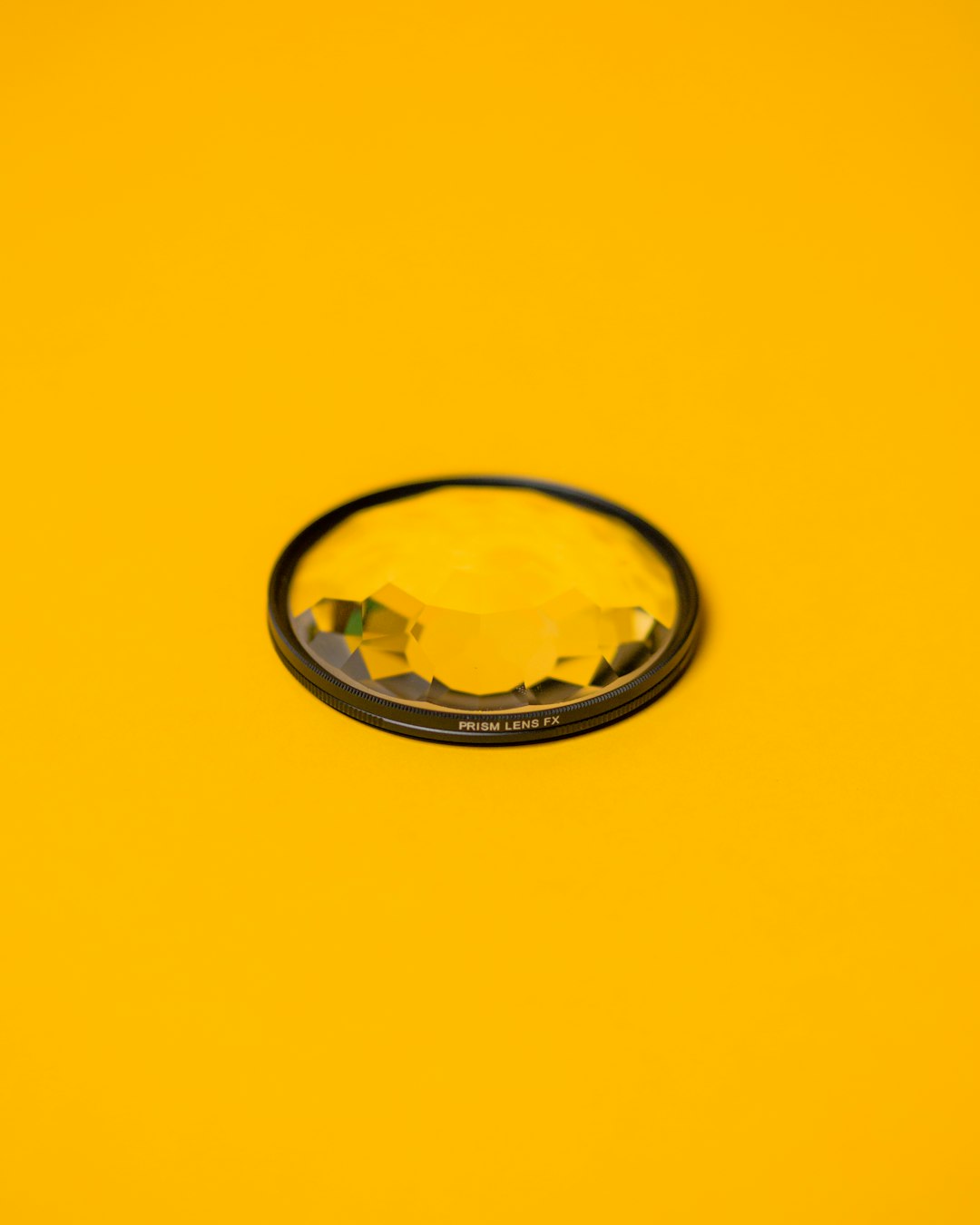

Will a generic clear filter actually fit your Leica or Fuji?
Usually not. It might catch half a thread, bind up, or stick out just far enough that your factory hood never clicks home again.
I'm Leo Liang. I run XT Filters, and my inbox still gets messages starting with "I bought a clear filter for my Leica" and ending with a photo of a ring jammed halfway into the barrel. Or a metal hood sitting crooked like a bad hat. Clear glass is the most boring filter I sell—sacrificial armor so you don't scratch a four-figure front element. But sorting out the right Leica Fuji lens protection filter thread? Fit is never boring.
People assume filter threads work like hardware store bolts: match the number, screw it in. On Leica M glass, Voigtlanders, and Fujifilm compacts, that assumption gets expensive fast.
The 43mm trap on the Q3, and why the X100 needs an adapter first
Fit failures usually start because people shop by camera nickname instead of the mouth of the lens.
Take the Leica Q3 43. Shooters see "43" on the front bezel and order a 43mm filter before the camera arrives, then spend twenty minutes fighting that ring in a parking lot. The 43 is the focal length of the fixed 43mm f/2 lens. The actual filter thread cut into that snout is 49mm. A 43mm ring will never seat.
Then look at Fujifilm's X100 series—from the original X100 through the X100VI. Out of the box, an X100 has no native filter thread. None. If you screw a regular filter straight onto the barrel, you collide with the moving glass as the autofocus drives forward. You pull the cosmetic trim ring, add an adapter ring, and only then do you reach a standard 49mm thread.
And 39mm? Photographers read online that "Fuji uses 39mm," order a 39mm clear for an X100, and end up with a useless ring. That 39mm size is real on compact primes like the pancake XF 27mm f/2.8, and on classic Leica M and Voigtlander L39 glass. It is not the X100 path. Same brand, completely different mouths.
Fat rings kill factory hoods
Even when the millimeter diameter matches on paper, generic filters cause headaches because of frame thickness.
On a Leica Summicron, an Elmarit, or a compact Voigtlander Nokton, the factory metal hood clamps or bayonets onto the rim with hair-thin clearance. Generic clear filters built for ordinary zoom lenses feature thick frames that sit proud by several millimeters. Screw that chunky ring into a 39mm or 46mm front, and the hood can't reach its locking tabs. It won't start, binds unevenly, or perches crooked until a bump against your hip knocks it loose.
Thread pitch and machining depth matter just as much. If the male thread is cut too long, it bottoms out against the lens barrel before the gasket seats. If the pitch is cut rough, aluminum binds on aluminum.
If a filter doesn't spin freely in the first half-turn, stop. Do not "force it gently." Cold fingers make people rush, but cross-threading a cheap ring into a precision Leica or Fuji housing is an expensive way to learn patience. Back it off, square it up, and try again.
Matching the mount to the job: dedicated, everyday, and oversized
I don't keep one generic clear filter in my bag. Front elements demand completely different tolerances.
For dedicated Leica and Fuji mounts—the awkward ones where generic rings fight the hood—I reach for the XT996 PRO black-frame protection filter. That line covers the mounts photographers actually argue about: Leica L39 and 39mm paths, Leica 46mm, the Q3 43's 49mm thread, and Fuji 39mm for lenses like the XF 27mm pancake, plus wider precision steps. The frame is ultra-slim with a matte black internal finish that won't kick reflections into your optics or push the hood off its mount. It stays on the lens as invisible armor.
For everyday zooms and primes in the common 39–82mm band—standard APS-C and full-frame glass where you use an ordinary clip-on hood and just need a sacrificial shield—the XT996S is the daily workhorse. Clean optical glass, neutral multi-coatings, zero color shift. When sea spray or road dust coats the glass, you wipe it off without babying the front element.
Then there are big front elements—86mm, 95mm, and 105mm glass on heavy telephotos and fast portrait primes. A 77mm or 82mm clear will not stretch to fit a 95mm front no matter how hard you wish. For oversized optics, step up to the XT996H. Heavy-duty optical glass sized for massive front barrels.
Decide on the kitchen table, not in the wind
One clear filter that fits beats two that almost fit. I skip stacking clear filters; extra glass surfaces just invite internal flare and vignetting.
My habit before any trip: mount the clear filter at home with the hood you travel with. If the hood refuses to seat over the filter, pick one: hood or filter. Don't fight that battle at 6:00 AM in freezing wind with numb fingers. On a sunny afternoon where oblique glare kills contrast, keep the hood and leave the filter in your pouch. On dusty gravel roads or near ocean spray, keep the clear filter and shade the lens with your hand.
Check the Ø symbol etched on the lens front or your adapter ring, not the marketing badge on the camera body. When your mount is picky about clearance, mount the XT996 PRO. For everyday glass, screw on the XT996S. And when the front element is oversized, mount the XT996H.
— Leo Liang
Shop our filters
Explore the full XT filter collection — CPL, black mist, UV and lens protection for photographers who demand clean color.
SHOP NOW →