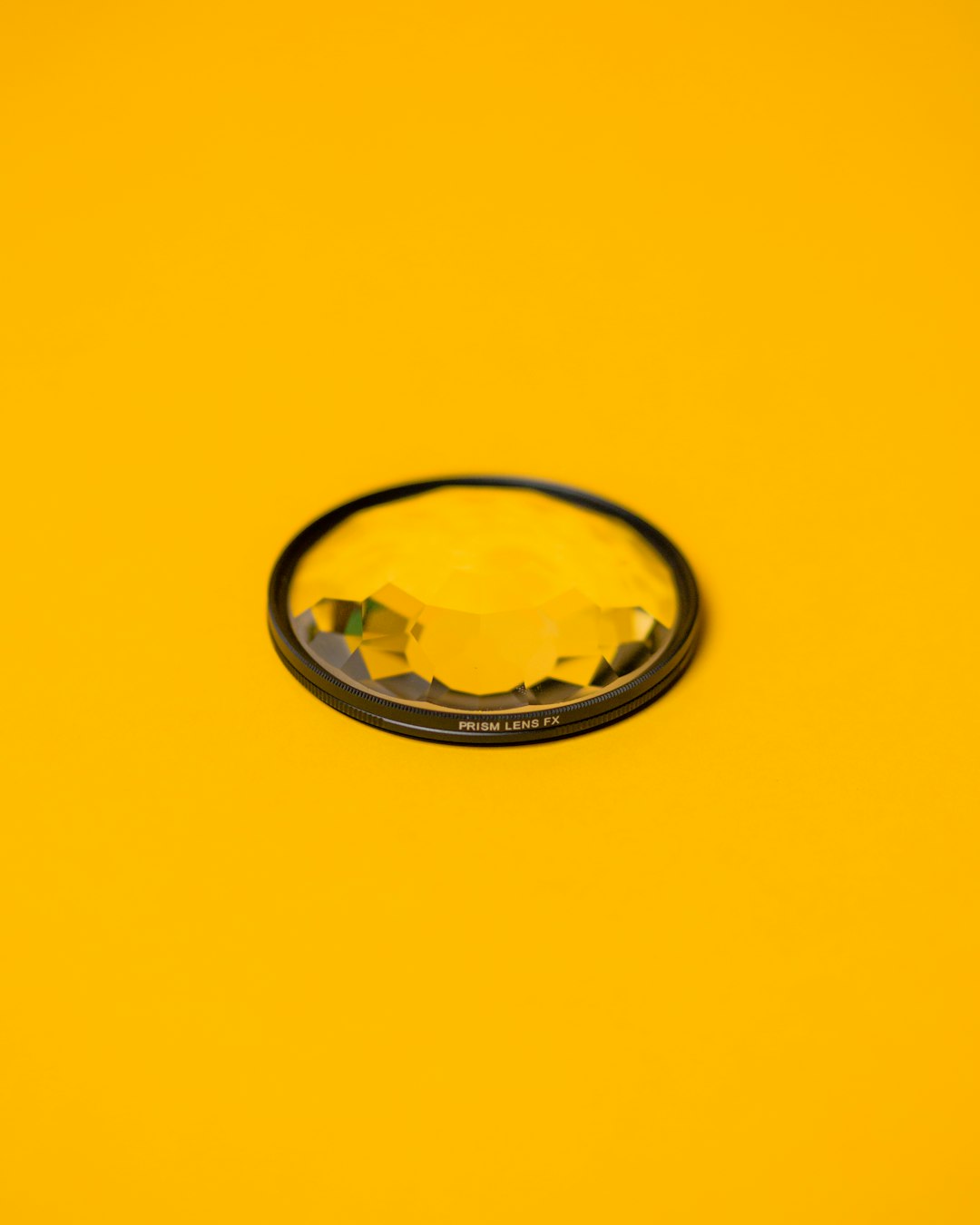

If a friend stopped me in a camera store parking lot asking whether they should buy a CPL, a UV, or a black mist filter first, my advice is blunt: pick one path. Do not buy a three-filter starter bundle.
The CPL vs UV vs black mist which-filter debate usually starts because people treat them like interchangeable accessories. They aren't. One protects your front glass. One strips reflections off water, wet leaves, and windows. One blooms highlights and softens digital harshness.
Buying all three at once usually means two end up rattling forgotten in a drawer. To choose the right one, look at what is frustrating you in the field.
The everyday shield: front glass defense
If you flinch every time your lens swings near a zipper, a wet jacket button, or a concrete railing, you do not need an effect filter. You need front protection.
Modern digital sensors already filter ultraviolet light internally, so UV glass is no longer about cutting blue film haze. Its modern job is simple: a sacrificial flat element that takes the beating so your lens stays untouched.
On my Lumix GH7 with the OM SYSTEM 12–40mm f/2.8 PRO II—my primary street setup since March 2025—I keep our XT996S screwed on almost permanently. The kit weighs roughly 1.2kg in my backpack, and daily street walks expose the front rim to real grit.
During a seaside evening by the Hong Kong Palace Museum waterfront area, salt spray and fine damp grit blew off the water. Wiping salty sea spray off bare front glass with a shirt hem scours delicate coatings with micro-scratches. Wiping an affordable screw-on filter is painless. Mounted on the 12–40mm, I noticed no perceptible image degradation compared to bare glass. It is an honest, affordable layer of insurance.
If you carry your camera everywhere and hate babying your front element, start here.
The reflection killer: cutting water and glass glare
If your real problem is physical glare—washed-out pond water, blinding reflections across storefront glass, or shiny foliage looking pale—protection glass won't help. Neither will diffusion. You need a circular polarizer (CPL).
A CPL is the one filter whose optical effect editing software cannot replicate. When sunlight bounces off non-metallic surfaces like water, wet asphalt, or leaves, that light becomes polarized. Rotating a CPL blocks those polarized waves at precise angles.
Turn the front ring, and white surface glare on a stream vanishes, revealing the riverbed underneath. Window reflections clear up. Saturated greens return to foliage, and washed-out blue skies gain deep contrast against bright clouds.
The trade-off is light. A CPL costs about 1 to 1.5 stops of exposure, making it wrong for low light or night walks. You also have to rotate the ring whenever you change your framing from landscape to vertical.
If you shoot landscapes, waterfalls, or architecture in bright daylight, a polarizer comes first. For an accessible everyday ring that cuts glare without eating your budget, grab our entry XT003 CPL. For a brass flagship build with slim knurling and higher transmission, step up to the XT001 PRO CPL.
The mood builder: taking the edge off digital glass
If you don't care about water reflections and aren't worried about salt spray, but your files look clinically sharp, sterile, and cold, look at black mist.
Modern lenses resolve every pore and turn specular highlights into harsh, clipped white walls. A black mist filter suspends fine micro-particles between optical glass to scatter pinpoint highlights. It keeps core textures and eyelashes sharp while blooming bright light sources—streetlamps, neon signs, or hard sun—into gentle, organic halation. Highlight roll-off softens and contrast eases without turning your shadows into milky gray mush.
This is an intentional styling tool for portraits, night street work, and video.
The classic trap is buying too heavy. A 1/2 strength often looks like someone smeared grease across your lens in daytime light. For standard and wide focal lengths where you want subtle character while preserving contrast, our XT888 Bottom 1/4 hits that working balance. (If you want a versatile black mist profile for general creative setups, there is also the XT925).
What I skip and how to decide
Where photographers run into practical misery is trying to turn one filter into everything, or stacking them together.
Never stack a CPL over a mist filter or a thick UV ring for daily shooting. Stacking adds rim thickness, causes corner vignetting on wide glass, and bounces internal reflections between extra surfaces. Worse, on chilly mornings with cold fingers, overtightened aluminum threads can pinch into a twisted-dead bind-up that refuses to separate.
Back when I shot street with my old Pen-F and small primes like the 25mm and 45mm f/1.8, carrying fewer accessories and knowing their exact job was the only way to avoid fumbling with rings while the light changed.
Pick your single path:
- For peace of mind against dust, salt spray, and scratches, start with lens protection filters and grab the XT996S.
- To cut reflections and deepen water or foliage colors, browse our circular polarizer filters—the XT003 CPL for entry or the XT001 PRO CPL for brass.
- For smooth highlight roll-off and cinematic character, explore our black mist filters and start with the XT888 Bottom 1/4.
Check the ø mark on your lens barrel, pick the one job you need today, and leave the bundles behind.
— Leo Liang
Shop our filters
Explore the full XT filter collection — CPL, black mist, UV and lens protection for photographers who demand clean color.
SHOP NOW →