Yes, a circular polarizer helps with autumn leaves, and it is one of the few filters where you can see the answer in the viewfinder before you press anything. Turn the ring and watch the shine come off the canopy. If the color gets deeper, keep it there. If nothing changes, take the CPL off and stop wondering.
That second part matters more than most fall photo guides admit, so I'll spend some time on it.
Why leaves look washed out in the first place
A lot of what looks like weak color on a tree is not weak color. Leaves have a waxy surface, and that surface reflects a bit of white sky back at you. Multiply that by a few thousand leaves and the whole hillside goes slightly gray, like someone laid tracing paper over it. Wet leaves after rain are worse.
Much of that reflected light is polarized. A CPL at the right angle blocks a good share of it, so what reaches the sensor is more of the leaf and less of the sky bouncing off it. The reds and oranges were there the whole time. You just stop covering them with glare.
This is also why a saturation slider later is not the same fix. Pushing saturation on a glare-covered leaf makes the gray shine more colorful too. The polarizer removes the shine at capture, before there is anything to push.
When it works, and when it barely does
The effect depends on where the light is coming from, not on the season.
- Side light is where it shines. With the sun roughly off your shoulder, at about a right angle to where you're pointing, the polarizer has the most to work with. Leaves and blue sky both change a lot as you turn the ring.
- Overcast still counts. People pack the CPL away on gray days. Under a white sky every leaf reflects that white sky, and on wet leaves the difference can be bigger than on a sunny afternoon. Try it before deciding.
- Backlit leaves are a different picture. When the sun is behind the tree and the leaves glow, most of that color is light coming through the leaf, not bouncing off it. A polarizer has little to remove there. It will mostly just cost you light.
- Reflections in water are a choice. A lake mirroring red maples is often the whole photo. A polarizer at full strength will erase that reflection and show you the rocks underneath. Sometimes that's better. Often it isn't. Turn the ring slowly and stop where the picture you came for is still there.
Don't max it out by habit
The common mistake is turning the ring until the effect is strongest and leaving it there. On foliage that can make the scene look flat in a new way: leaves lose the small highlights that show their shape, and a clear sky above them can go nearly navy. Back the ring off a little from maximum and the trees usually look more like trees.
On an ultra-wide lens, watch the sky. A wide frame covers so many angles to the sun that polarization falls unevenly, and you can get a darker band across one part of the blue. That is not a defect in the filter. It's the physics of the angle. Shoot a bit tighter, or turn the ring down until the band stops being obvious.
Also plan for the light loss. A polarizer is dark glass. Our entry XT003 is rated at about 44% average transmittance, so in a shaded forest you may need to raise ISO or slow the shutter compared with shooting without it. Breezy days and slow shutters make blurry leaves, so check a frame at 100% before you walk away from the spot.
Which one to bring
If you already own a CPL, bring it. The technique above matters more than the model.
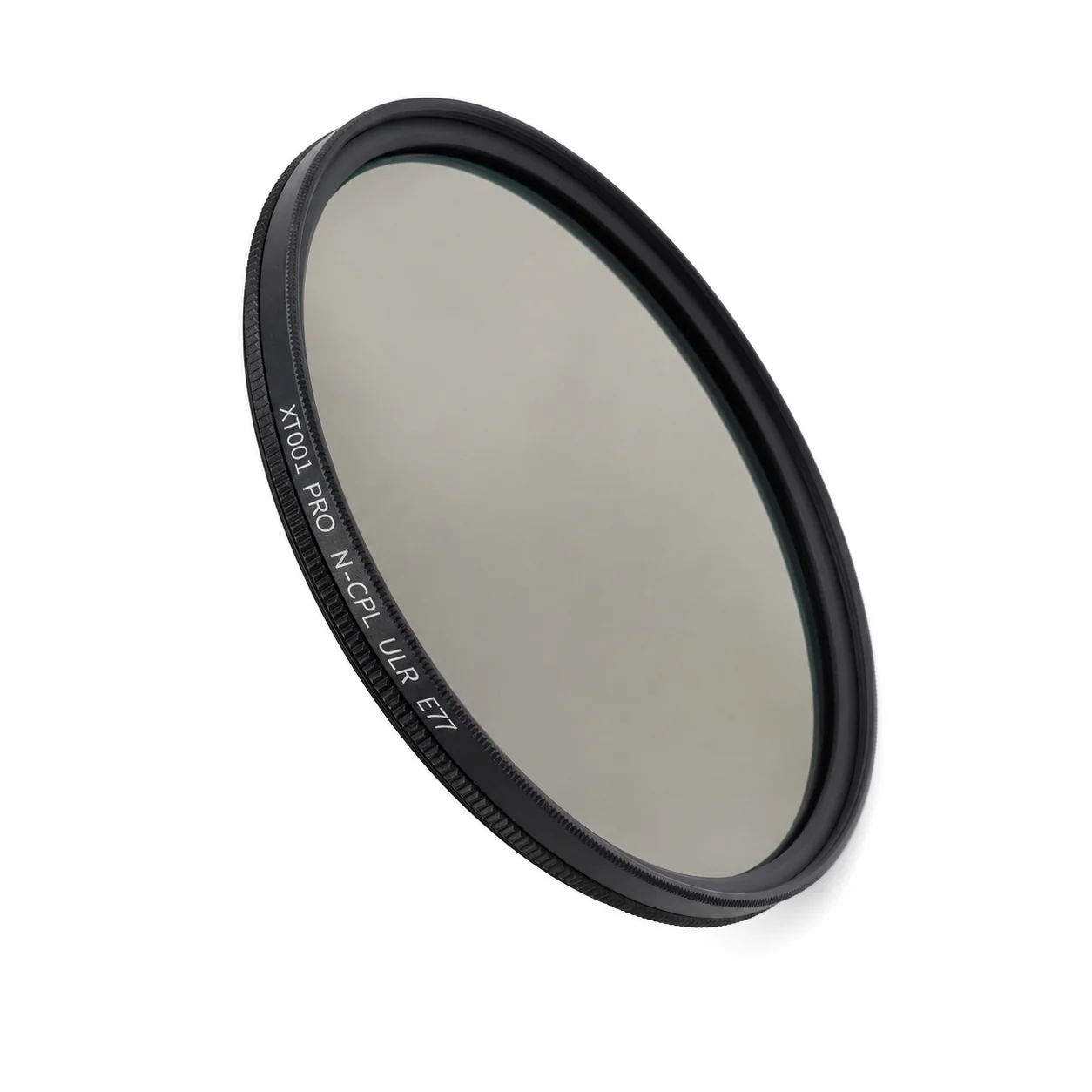
If you're buying one for this season, our XT001 PRO CPL is the one I'd point you to first. It uses Nitto polarizing film on B270 glass, with 36–48 layers of multi-coating on both sides and an average reflectance of ≈0.1%. That low reflectance is the part that matters when you're shooting toward bright sky through branches: less light bouncing between filter and lens means less flare. It comes in 43–95mm.
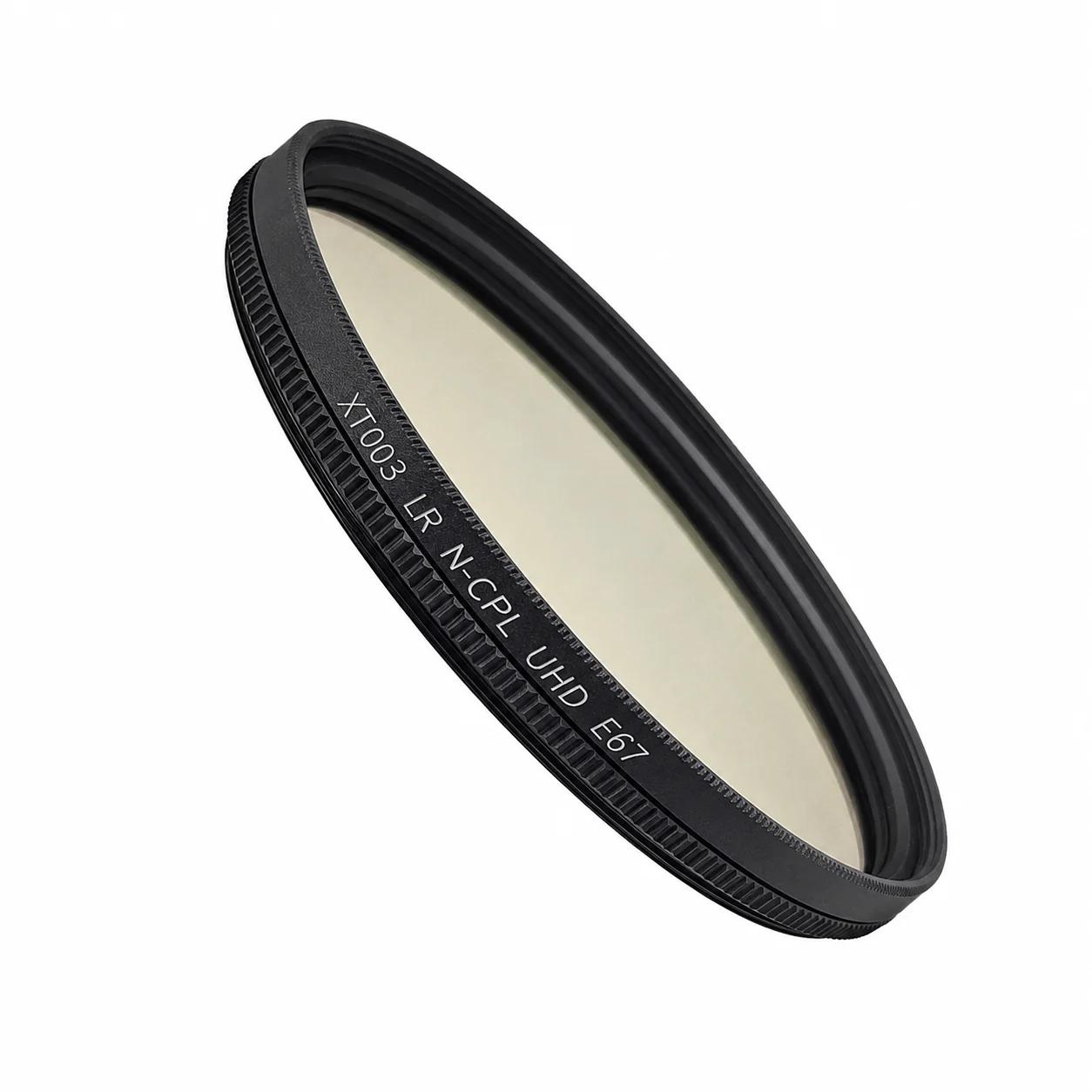
If you'd rather spend less, the XT003 CPL uses Nitto film too, rated at 99.8% polarizing efficiency, in 39–82mm. It's the easy way to find out whether you like shooting with a polarizer before going further.
Either way, check the number printed on your lens front before ordering, and buy that size.
Bring a CPL this weekend. Point it at the trees with the sun to one side, turn it slowly, and let your eyes make the call.
— Leo Liang